

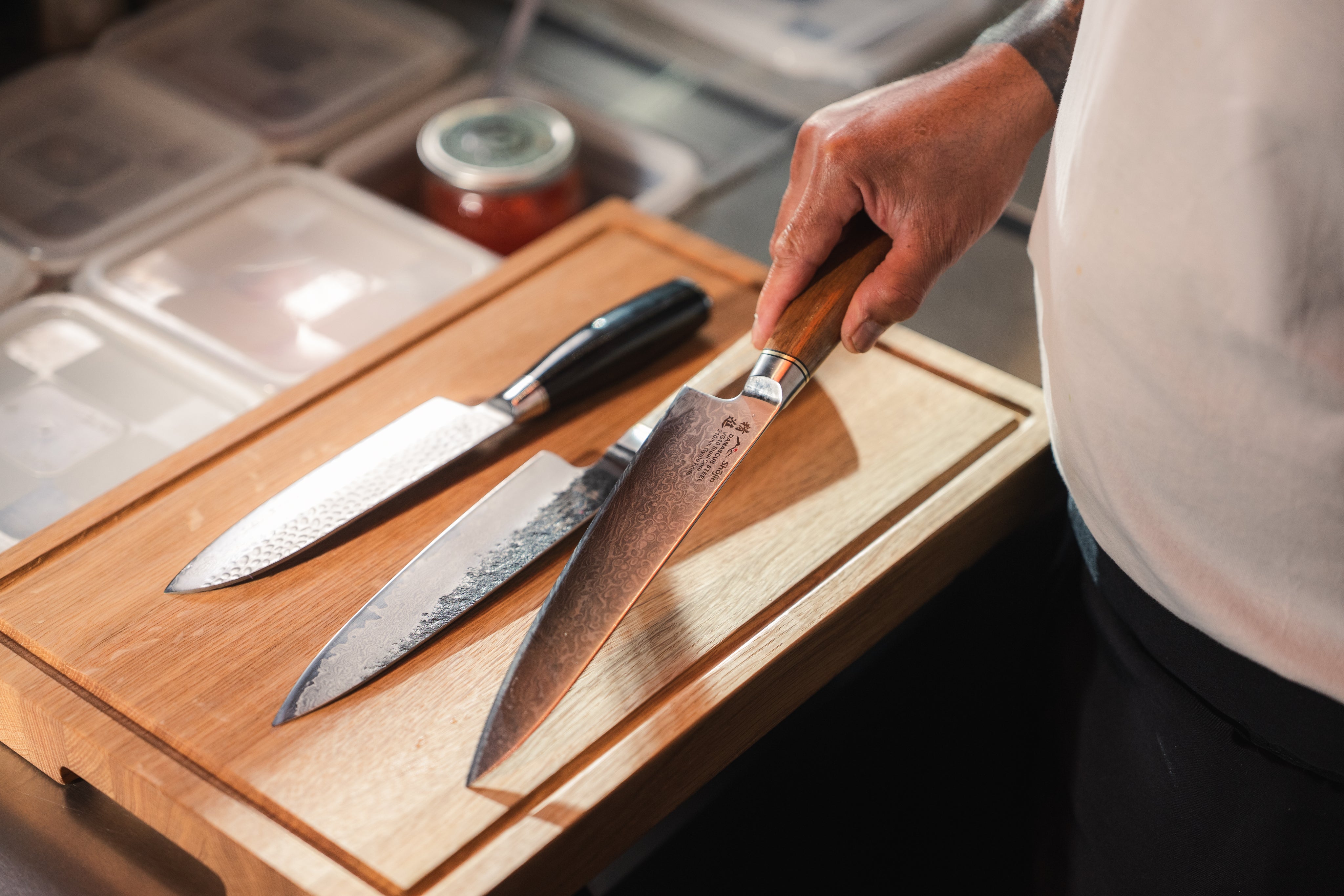
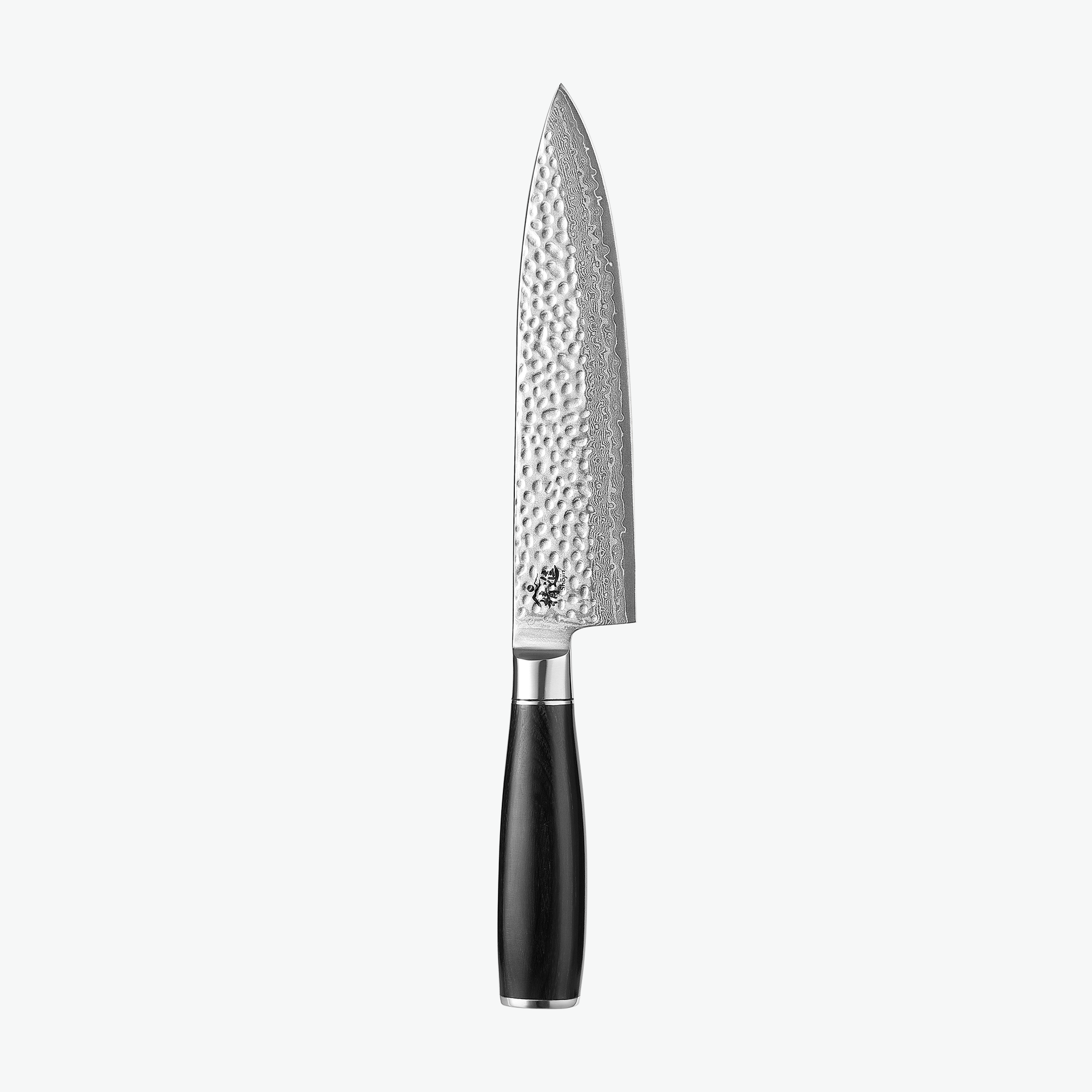
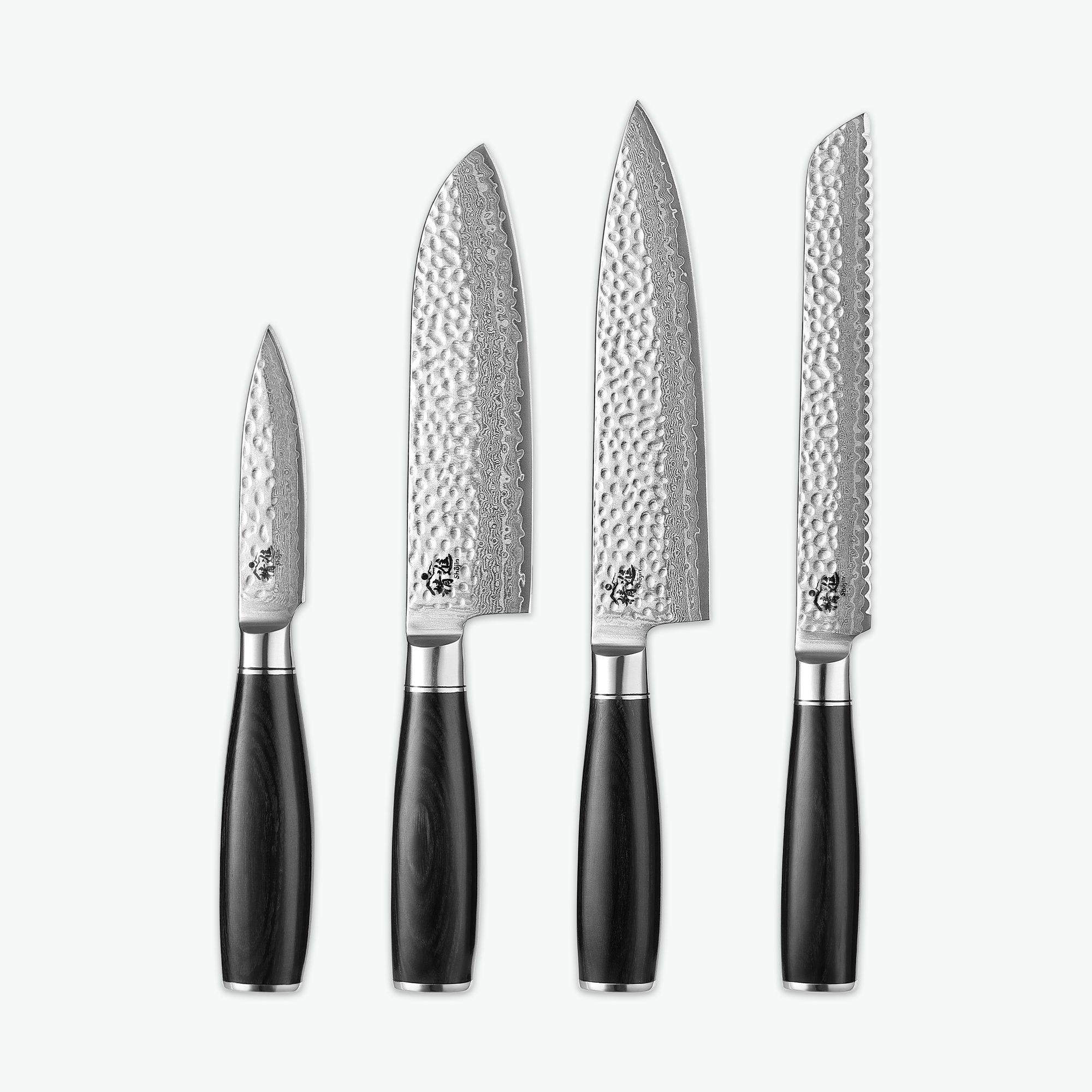
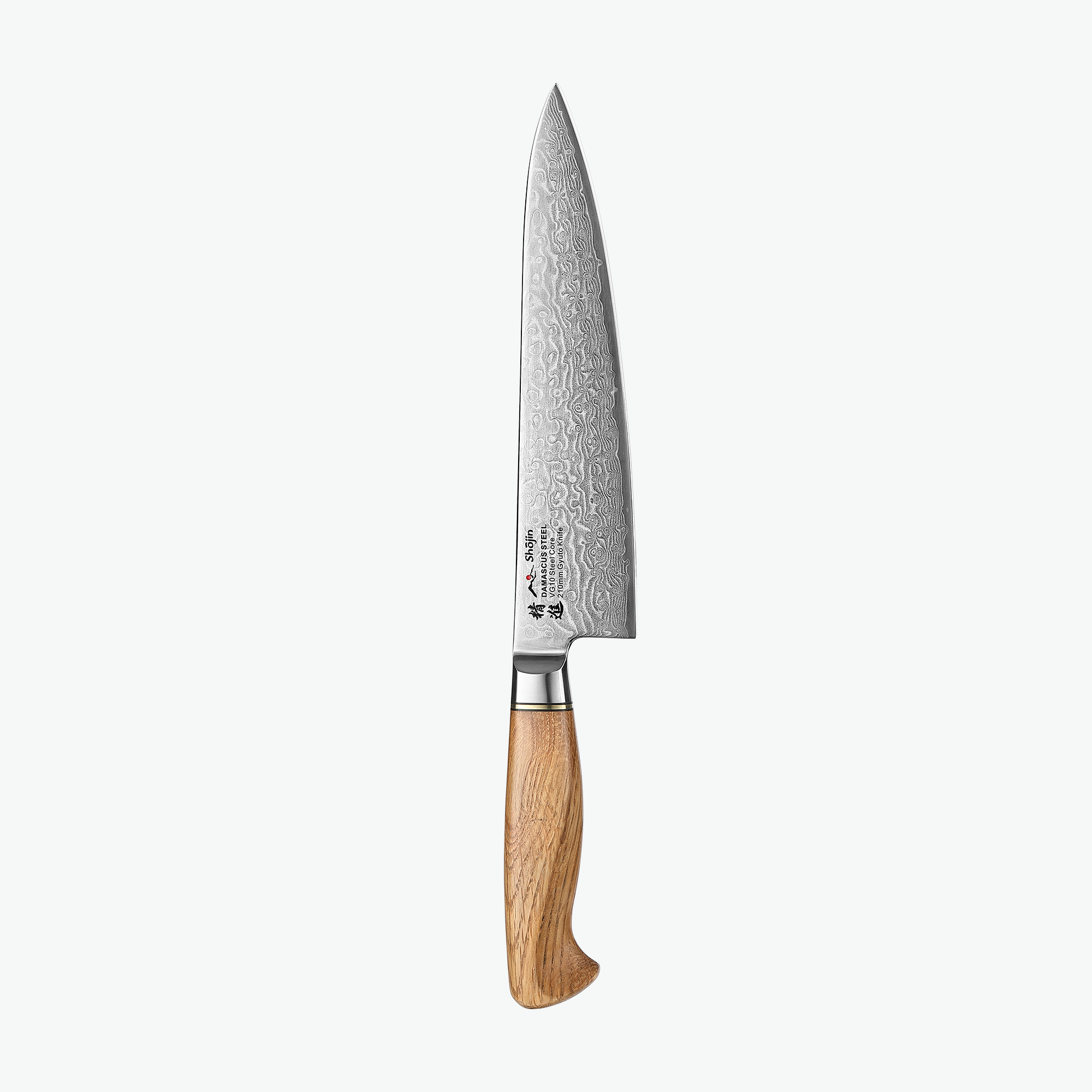

An exceptional kitchen knife is an investment in culinary potential. Yet, even the finest blade loses its integrity when it meets the wrong cutting board. The cutting board is your knife's silent partner – the often-overlooked stage where precision meets raw material. The right cutting board is not merely a surface; it's an active protector of your investment, a guarantor of hygienic cleanliness, and a statement about your approach to cooking.
The market is a jungle of materials. What is the optimal choice? Wood, bamboo, or plastic? At Viretta, our philosophy is: exceptional tools deserve an exceptional foundation. This guide aims to give you the insights needed to make an informed decision – a choice that honors both your tools and your health.
The Crucial Rule: Protect the Blade's Integrity
Before we explore the optimal materials, it's crucial to clarify which surfaces can directly harm a finely sharpened knife edge.
Avoid these materials for cutting:
-
Glass, Stone (Marble, Granite) & Ceramics: These materials are extremely hard and completely inflexible. Running a knife edge across them will destroy it in no time. Every contact creates microscopic fractures on the edge, leading to a dull and damaged blade. While beautiful for serving, they are a nightmare for any precision tool.
Material Overview: Performance, Hygiene, and Purity
The best cutting boards are made from materials that offer a fine balance: robust enough to withstand daily use, yet pliable enough to absorb the blade's energy without damaging the edge. At Viretta, we focus exclusively on materials that meet the highest standards in function, sustainability, and uncompromising cleanliness.
Wood (Oak, Walnut, Acacia): The Classic Winner with Natural Hygiene
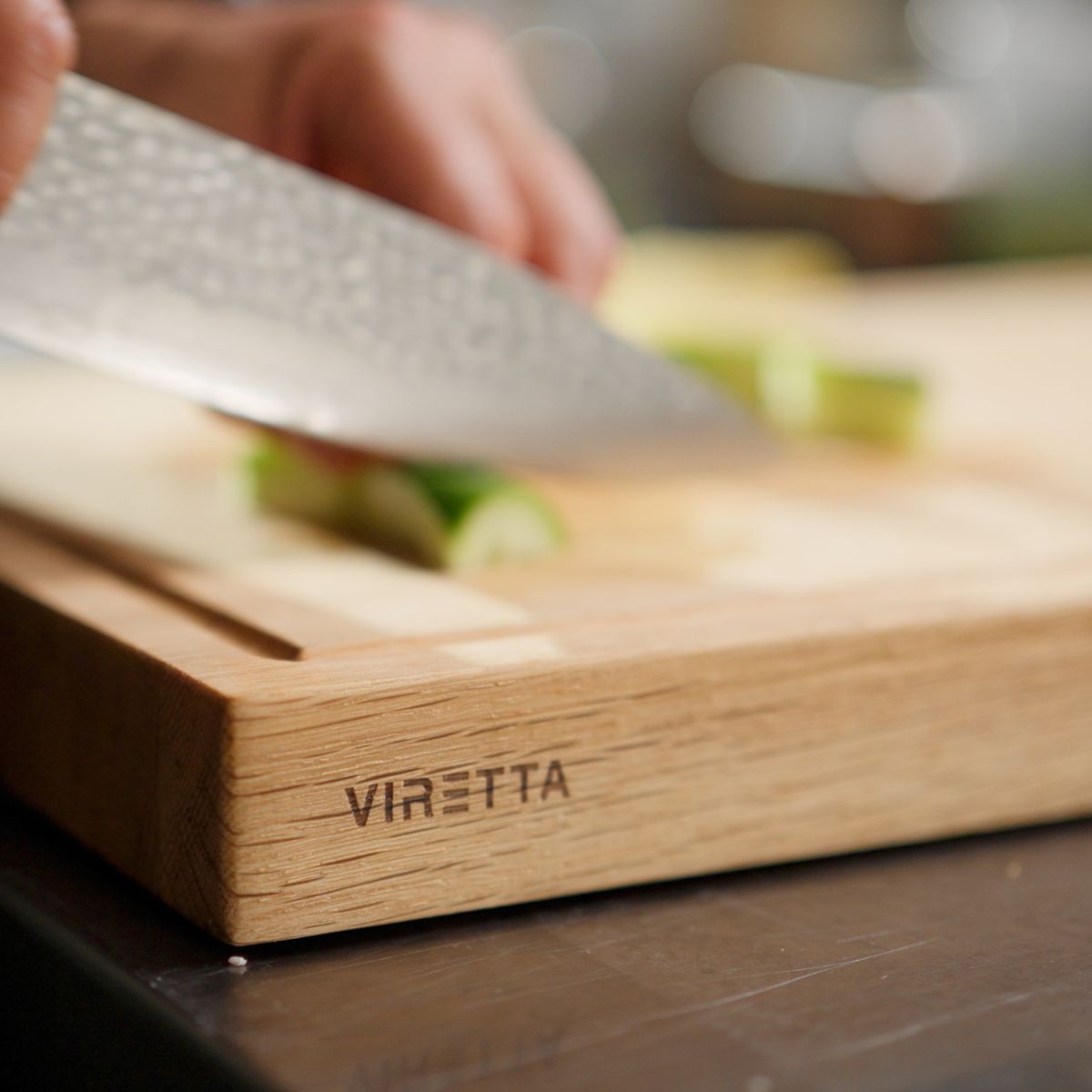
Wood is traditional and esteemed by many professionals as the most sublime all-around material. The natural fibers of the wood "give way" for the knife edge, significantly minimizing wear.
Advantages: Extremely knife-friendly, durable, and aesthetically pleasing. Wood possesses natural antimicrobial properties. Studies show that porous wood fibers actively draw bacteria from the surface, where they die in the dry cell structure. A well-maintained wooden board is therefore exceptionally hygienic.
Disadvantages: Requires regular oiling to remain saturated and resilient. Never put in the dishwasher – the intense heat and moisture will dry out and damage the wood.
Viretta Selection: FSC-certified wood such as oak, walnut, and acacia – sustainable, beautiful, durable, and hygienic.
End Grain Cutting Boards: The Uncompromising Surface for Knife Specialists
An end grain board represents the pinnacle of knife-friendliness. The wood fibers stand vertically, creating a unique "self-healing" effect.
Advantages: The blade glides between the fibers, which then close up after the cut. The sharpest and gentlest surface for the knife edge, with the natural antimicrobial benefits of wood.
Disadvantages: Higher purchase cost and requires slightly more frequent oiling.
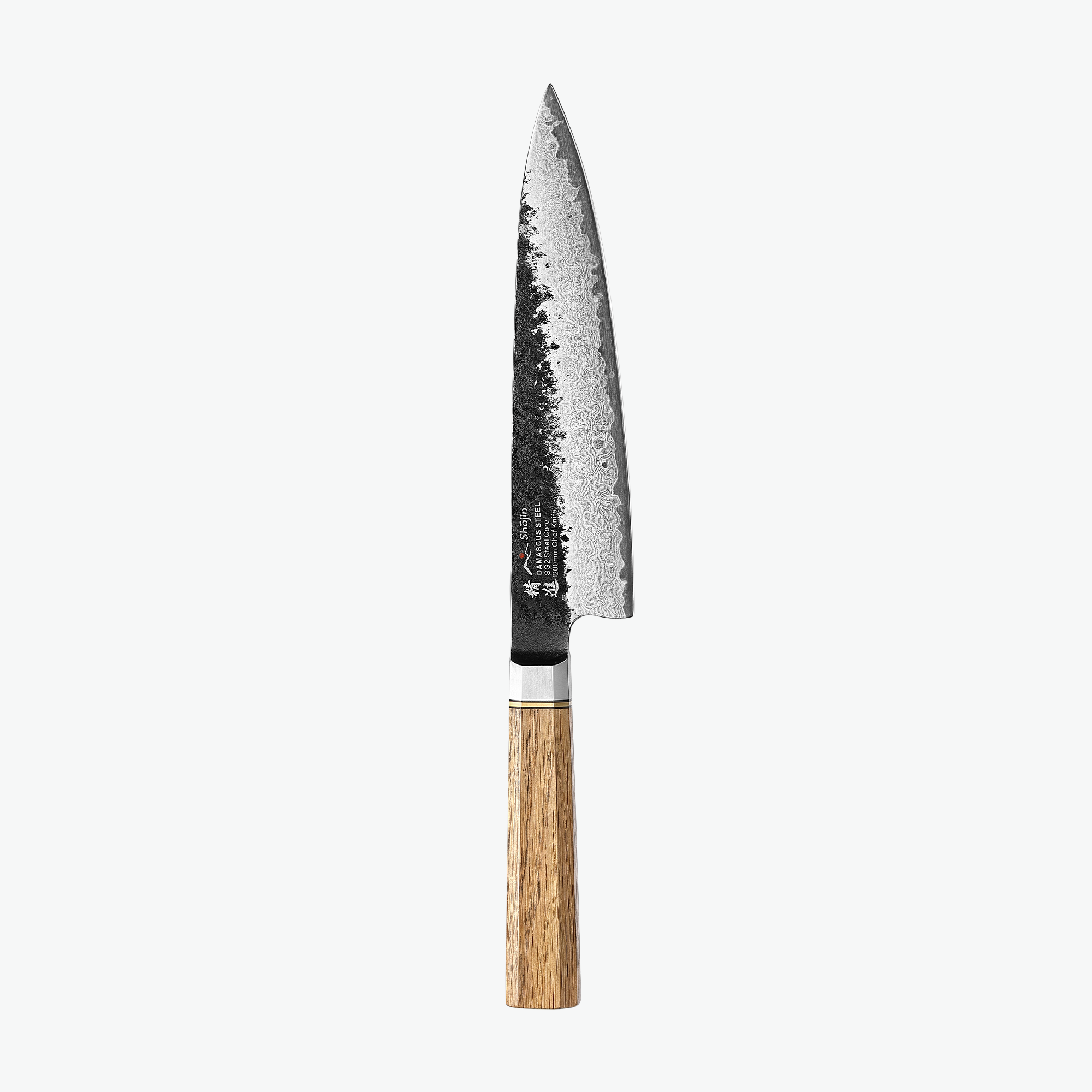
Viretta Selection: End grain boards for uncompromising users who want to provide their best knives – like the Shojin series – with optimal, hygienic conditions.
Bamboo: The Sustainable and Resilient Alternative
Bamboo is botanically a grass, but possesses wood-like properties. Popular due to its sustainability.
Advantages: Very durable, naturally water-resistant, and less porous than many woods. Lightweight, easy to maintain, and often more cost-effective.
Disadvantages: Harder and denser than traditional hardwood – wears down the knife edge more over time.
Viretta Selection: FSC-certified bamboo boards – durable, aesthetic, sustainable.
Conscious Avoidance: Why We Eschew Plastic
Plastic boards are widespread but problematic.
Advantages: Inexpensive, dishwasher-safe, initially non-porous.
Disadvantages:
-
Hardness for knives: dulls blades faster.
-
Hygiene problems: deep cut marks, difficult to sanitize, breeding ground for bacteria.
-
Health risk: microplastics directly enter food.
Viretta Stance: Due to knife wear, hygiene risks, and microplastics, we consciously avoid plastic boards. Natural materials are healthier, more sustainable, and qualitatively superior.
Conclusion: Curate Your Foundation
Your cutting board choice should be deliberate, reflecting your priorities in health, durability, and respect for your tools.
-
For passionate cooks with premium knives: End grain board – ultimate protection and hygiene.
-
For quality-conscious all-rounders: Classic wooden board (oak or walnut) – balance between knife-friendliness, hygiene, and aesthetics.
-
For environmentally conscious and practical users: Bamboo – durable, stylish, and sustainable.
A Viretta cutting board is more than a material choice. It is a conscious statement for sustainability, microplastic-free health, and an investment in thoughtful craftsmanship – the perfect foundation for your most important tool.


