

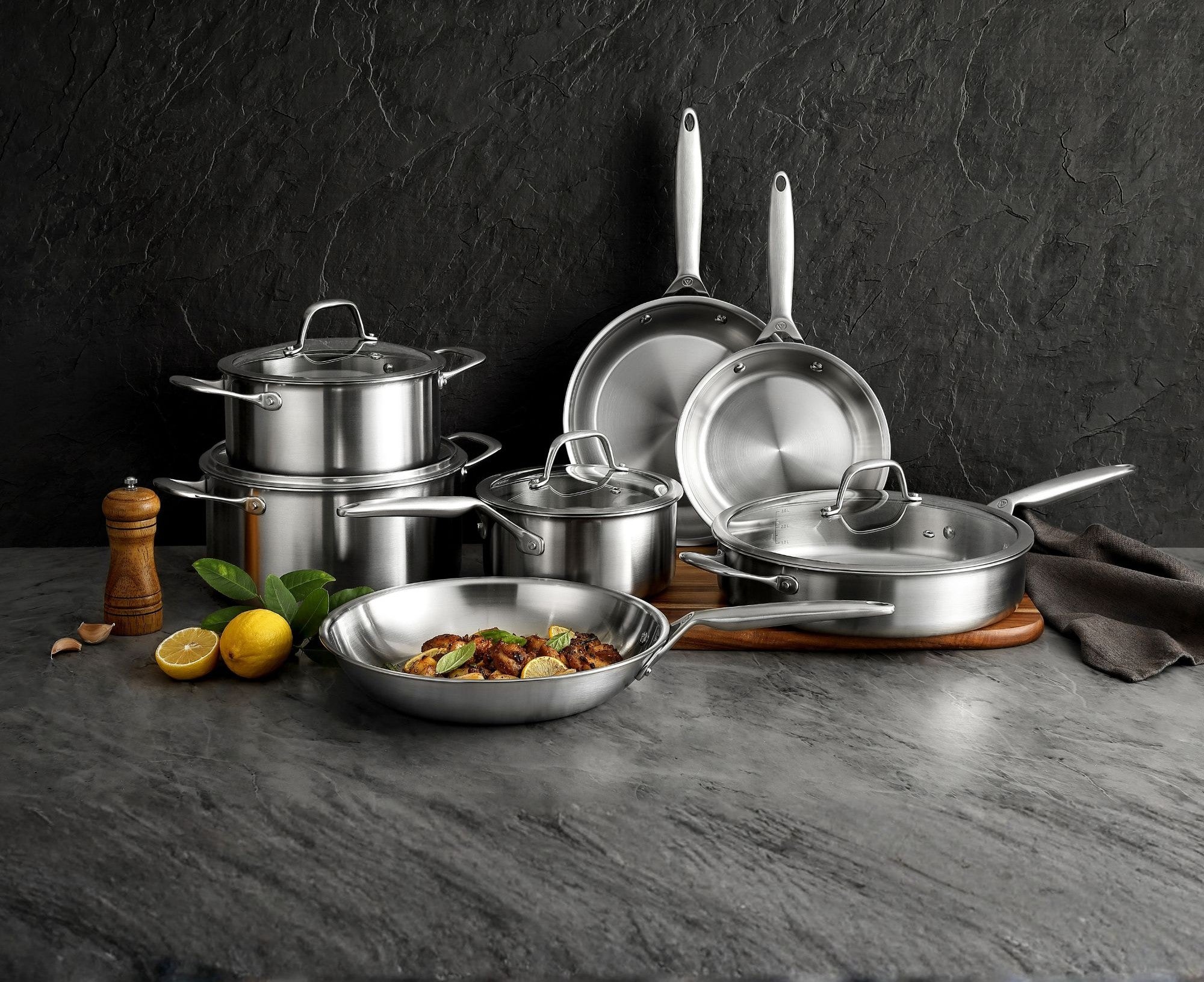
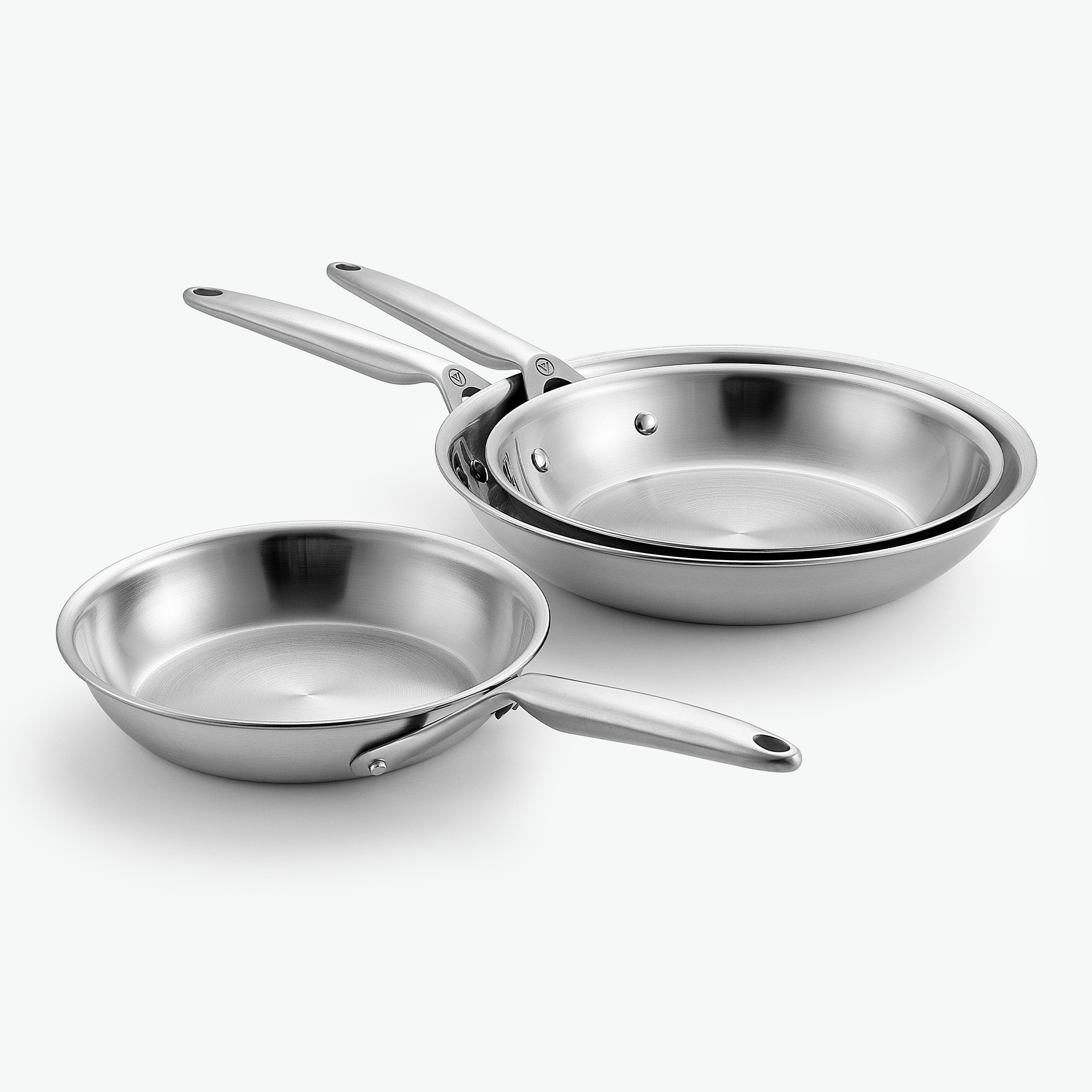
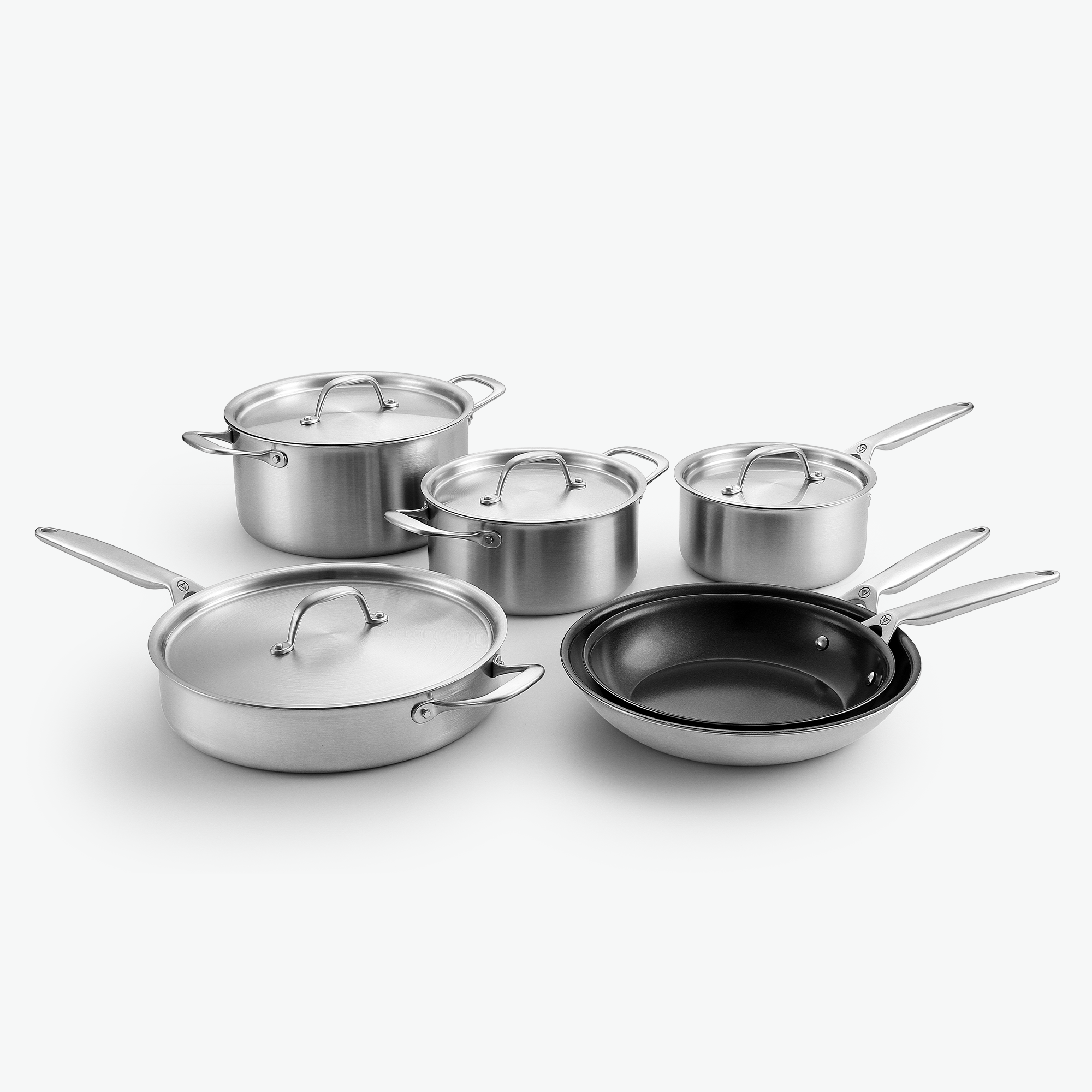

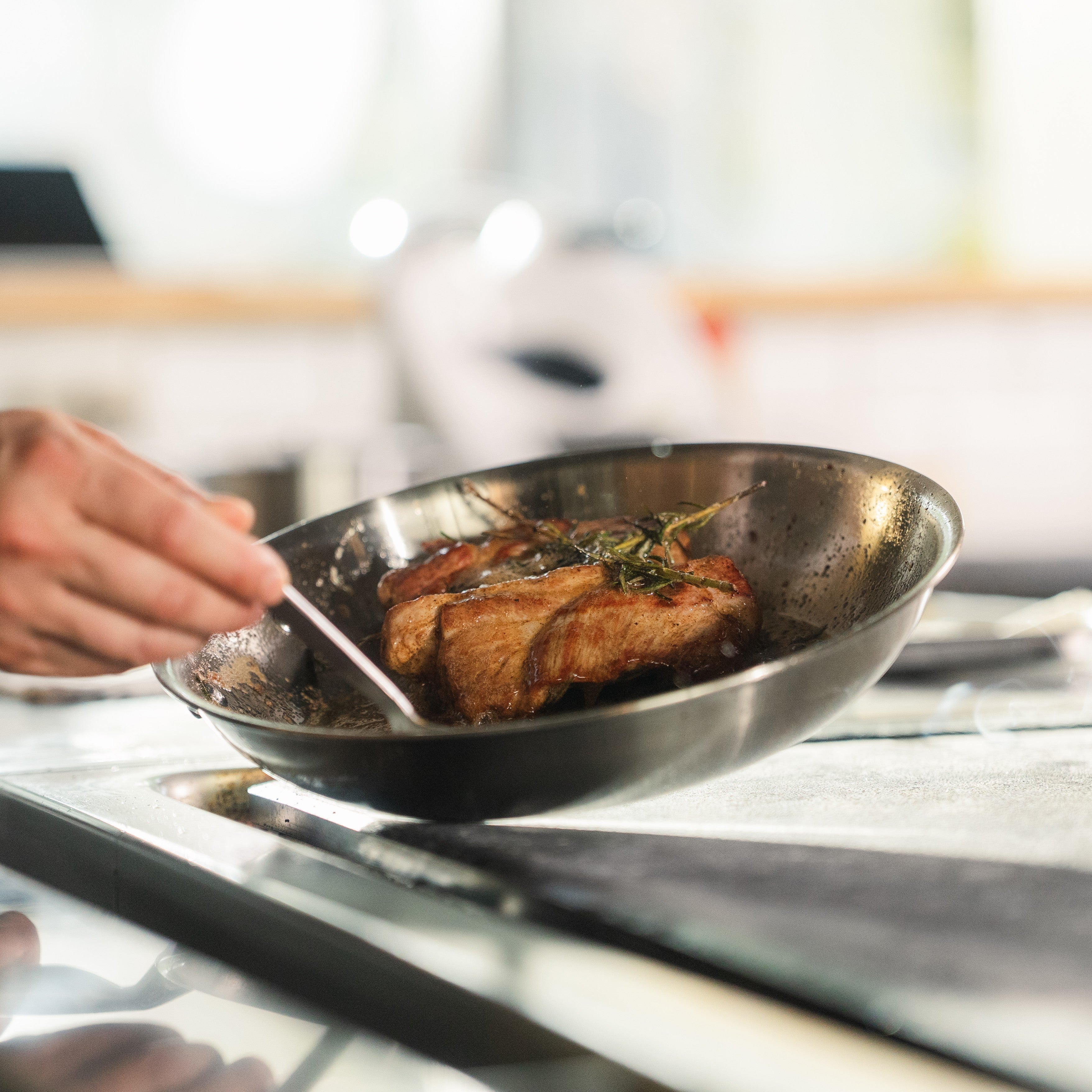

Induction is undoubtedly the most advanced and efficient hob technology on the market. It offers lightning-fast heating, unparalleled precision in temperature control, and energy efficiency that conventional hobs cannot match. However, this technology is only as good as the cookware you use on it.
To unleash the full potential of your induction hob, it's not enough for the base of your pan or pot to merely be magnetic. True performance depends on how the magnetic energy is absorbed, converted, and evenly distributed throughout the entire cookware.
This guide goes beyond the simple "magnet test" and explains what differentiates mediocre induction-compatible cookware from true high-performance cookware.
Basic Principle: Why Magnetism is Essential
An induction hob generates a strong, high-frequency electromagnetic field. When a pot with a magnetic base is placed on it, this field induces an electric current directly within the metal. This current creates resistance, which immediately generates heat. Thus, the heat is produced in the pot itself – not on the hob.
For this process to work, the base of the cookware must be ferromagnetic.
Viretta Technology: The outer base plate of our 3-ply cookware is made of SS430 stainless steel. This ferritic steel grade was chosen for its optimal magnetic properties. It ensures perfect and efficient energy transfer from the hob to the cookware, minimizes energy losses, and guarantees a lightning-fast response when increasing or decreasing heat.
The Trap: Why "Base-Only" Constructions Underperform
Many cheaper pans and pots are "induction-compatible" but not "induction-optimized." Often, the cookware is made of aluminum, with only a thin steel plate welded or glued to its base to create magnetism.
The problem: Heat is generated exclusively in the small steel plate at the base. The aluminum sides are not directly heated by the magnetic field. The result: Extreme temperature differences between a scorching hot base and significantly cooler sides. This leads to:
-
Uneven Cooking: The center burns while the edges are barely cooked.
-
Poor Temperature Control: It's difficult to maintain a consistent simmering heat.
-
Inefficiency: The full potential of induction is not utilized.
The Uncompromising Solution: Full 3-Ply Construction
For true high performance on induction, a full "sandwich" construction, where materials extend from base to rim, is the only solution.
Viretta Technology: Our 3-ply construction solves the problems of "base-only" designs by making the cookware a single, efficient heating unit.
-
Outer Layer (SS430 Stainless Steel): The magnetic engine that effectively absorbs the energy from the induction field.
-
Core (100% Recycled Aluminum): The thermal "superconductor." The aluminum immediately and evenly distributes intense heat from the base throughout the entire pot wall.
-
Inner Layer (SS304 Stainless Steel): The inner surface of pure, non-reactive stainless steel guarantees extreme durability and food safety.
This construction ensures that heat comes not only from the bottom but from all sides simultaneously. The result: unparalleled control, elimination of hot spots, and perfect, even cooking results – whether you're preparing a delicate sauce, searing a steak with a perfect crust, or keeping a stew at a low temperature.
Conclusion: Look Beyond the Magnet
While a pot being magnetic makes it induction-capable, its performance is determined by the construction of the layers above. A full 3-ply construction is the only method to fully utilize the precision and power of modern induction technology. It separates cookware that merely functions from cookware that truly excels on induction.
Relevant products
-

Enameled Cast Iron Pot Set
Viretta's enamelled cast iron sets combine Dani...
Viretta's enamelled cast ir...
€195,00 -

3-piece pan set - Ceramic
Viretta's 3-ply ceramic-coated frying pan set c...
Viretta's 3-ply ceramic-coa...
€110,00 -


Relevant Articles

Explore More Recipes
Created for a balanced life
Cooking starts with peace of mind, good ingredients, and tools that feel right in your hands. At Viretta, we combine form and function in a modern Nordic design – created for all those who see the kitchen as a place of togetherness and inspiration.