

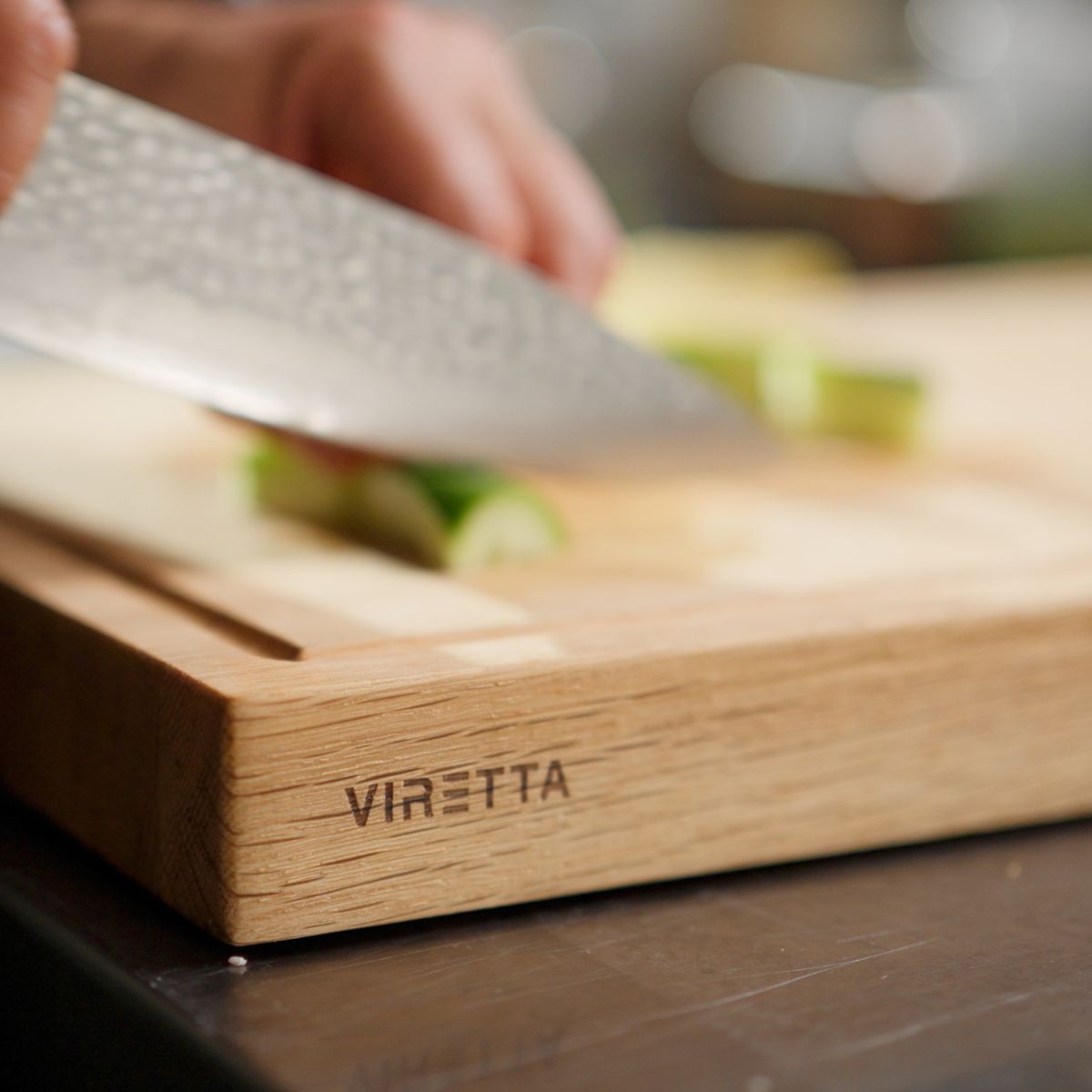
There's a special aura surrounding Japanese knives. A sense of precision, history, and uncompromising dedication to the perfect cut, refined over centuries. This unique tradition, ranging from the samurai's katana to the chef's gyuto, has its roots in one crucial element: steel. Japanese steel isn't just a material; it's a national symbol and a philosophy that prioritizes extreme sharpness and a long-lasting sharp edge above all else.
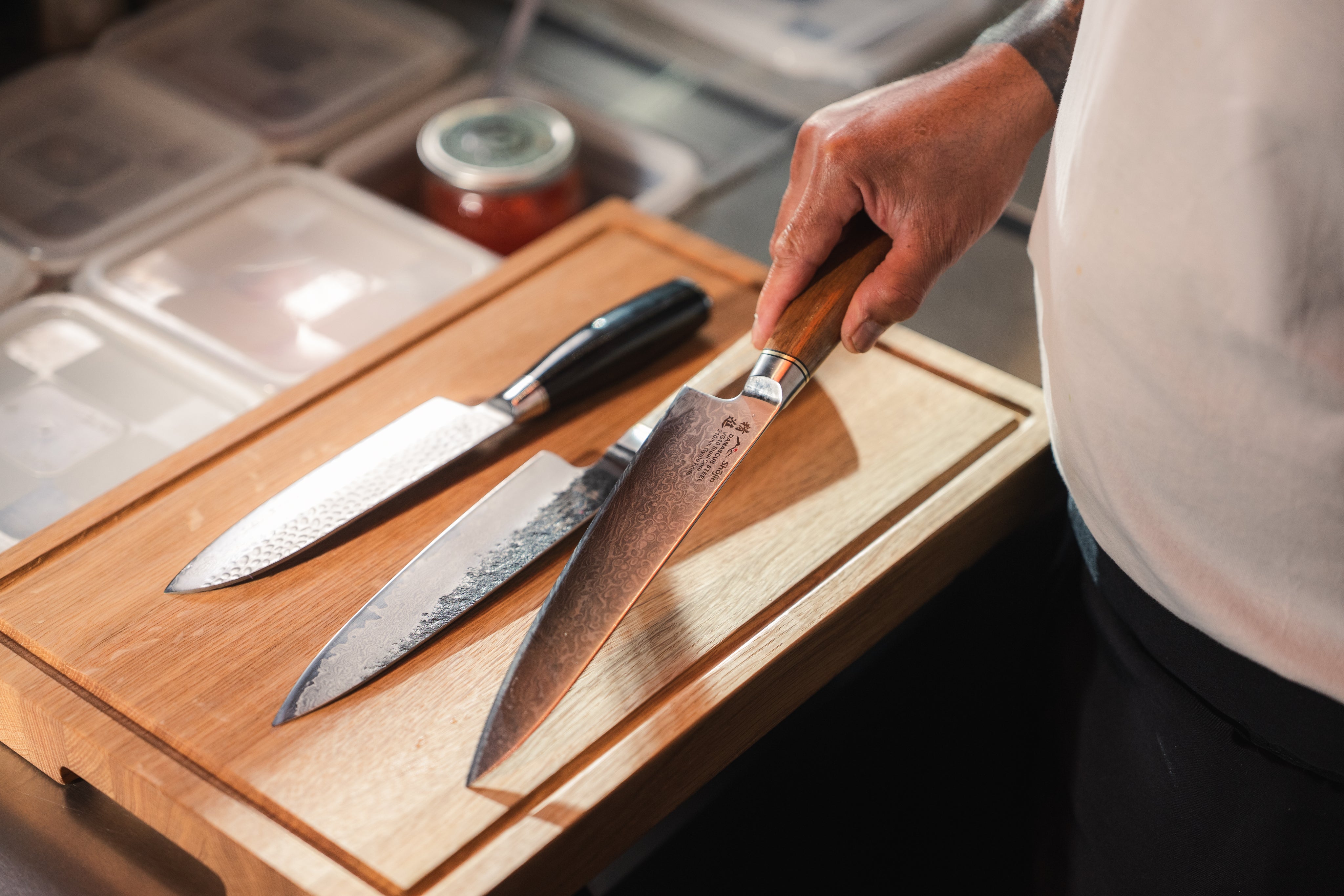
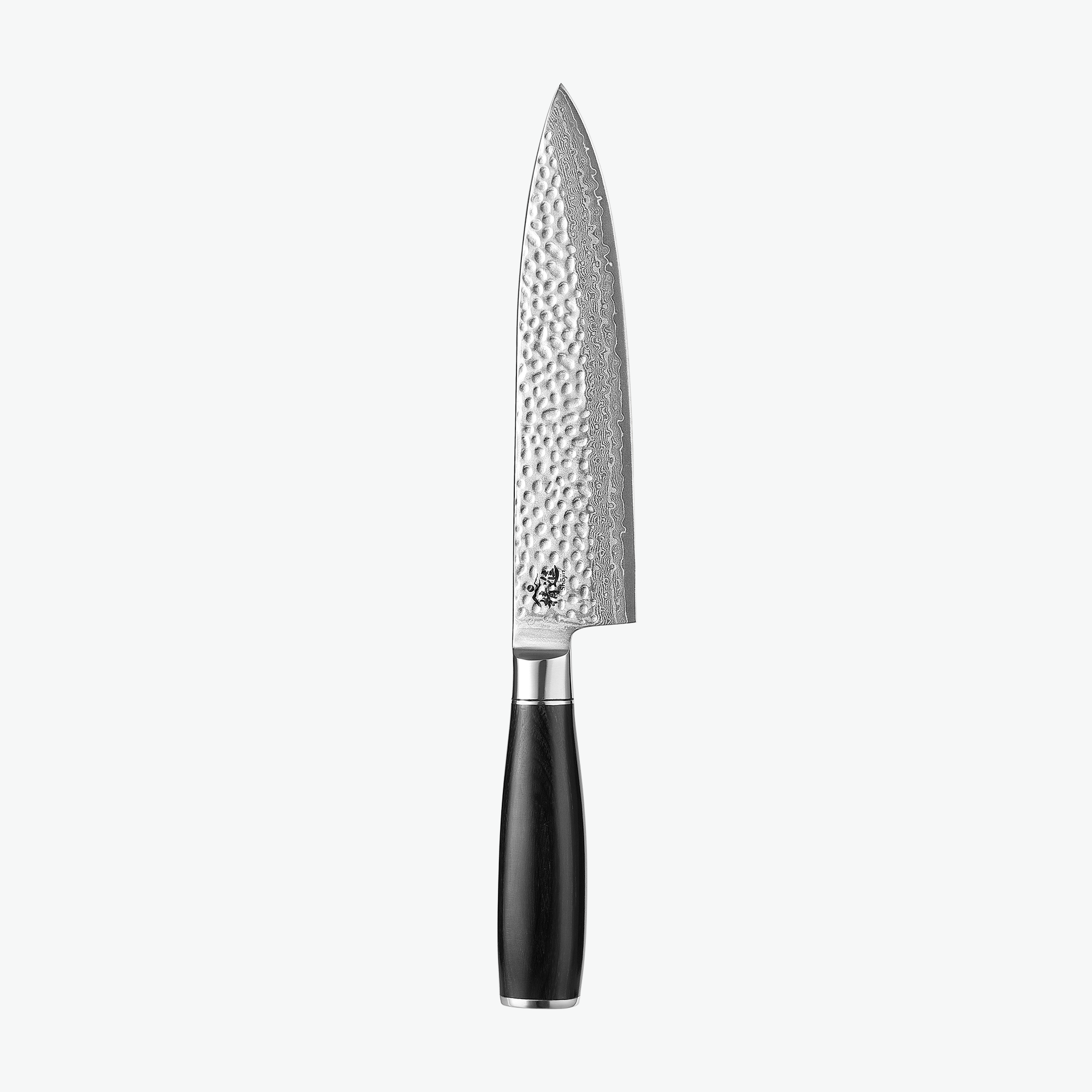
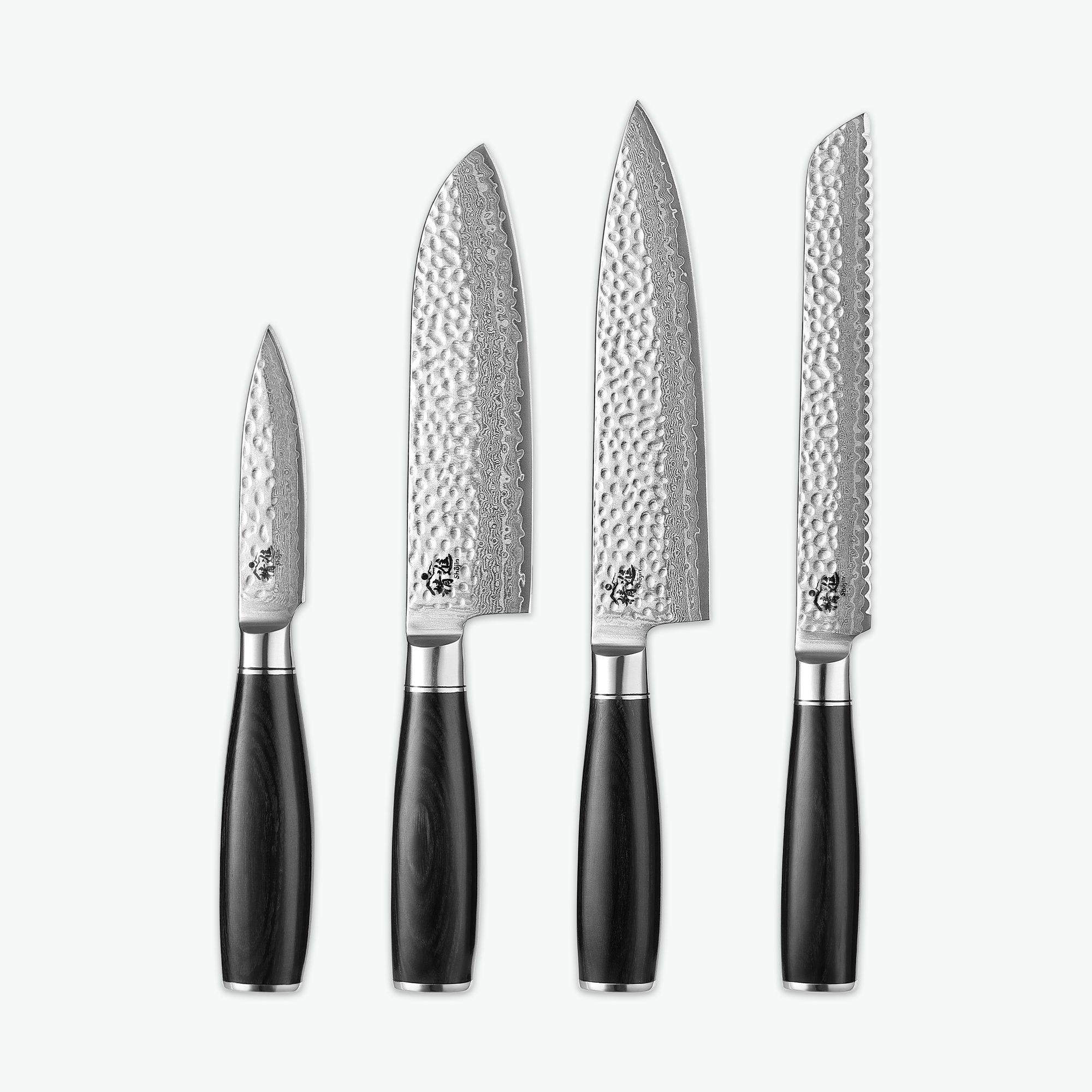
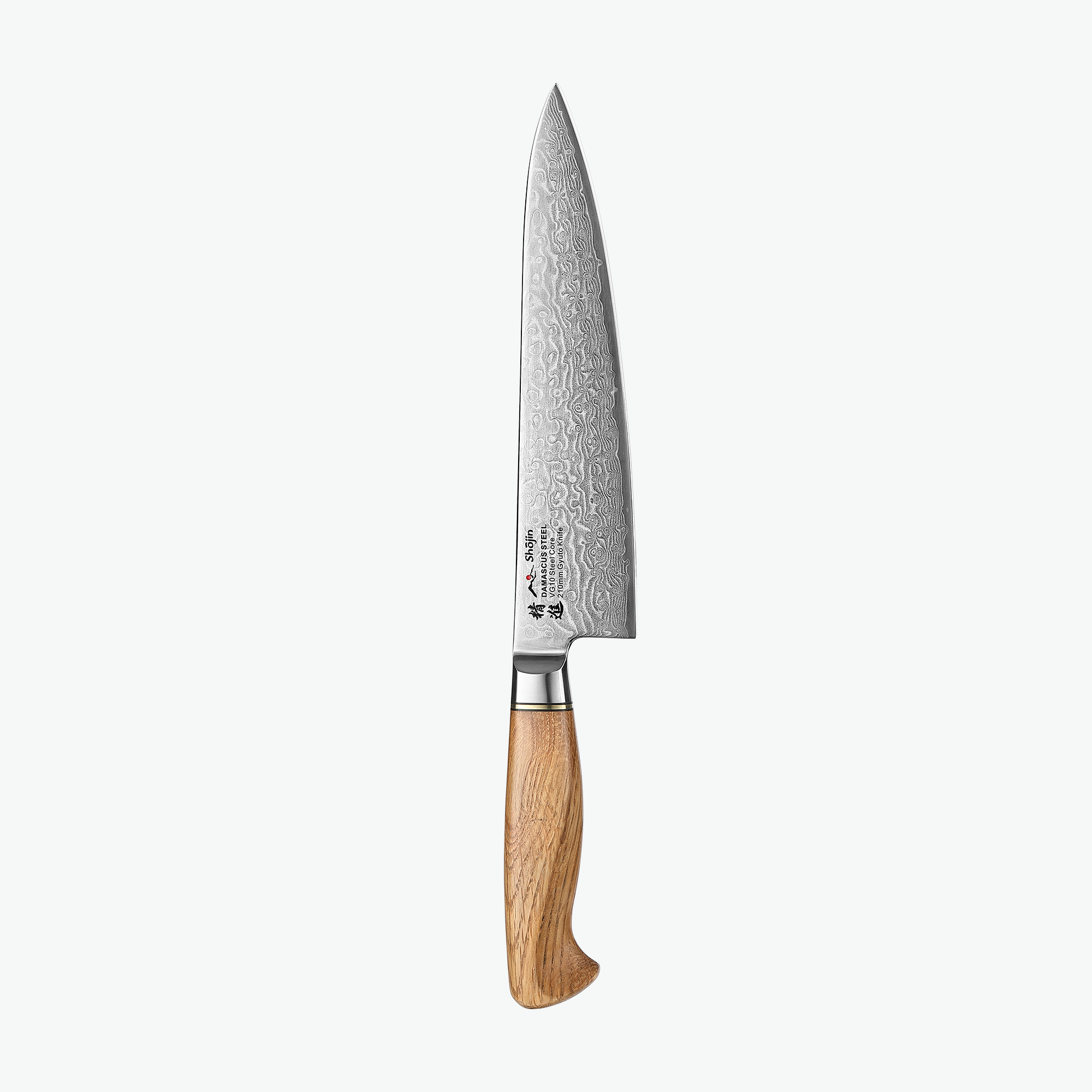
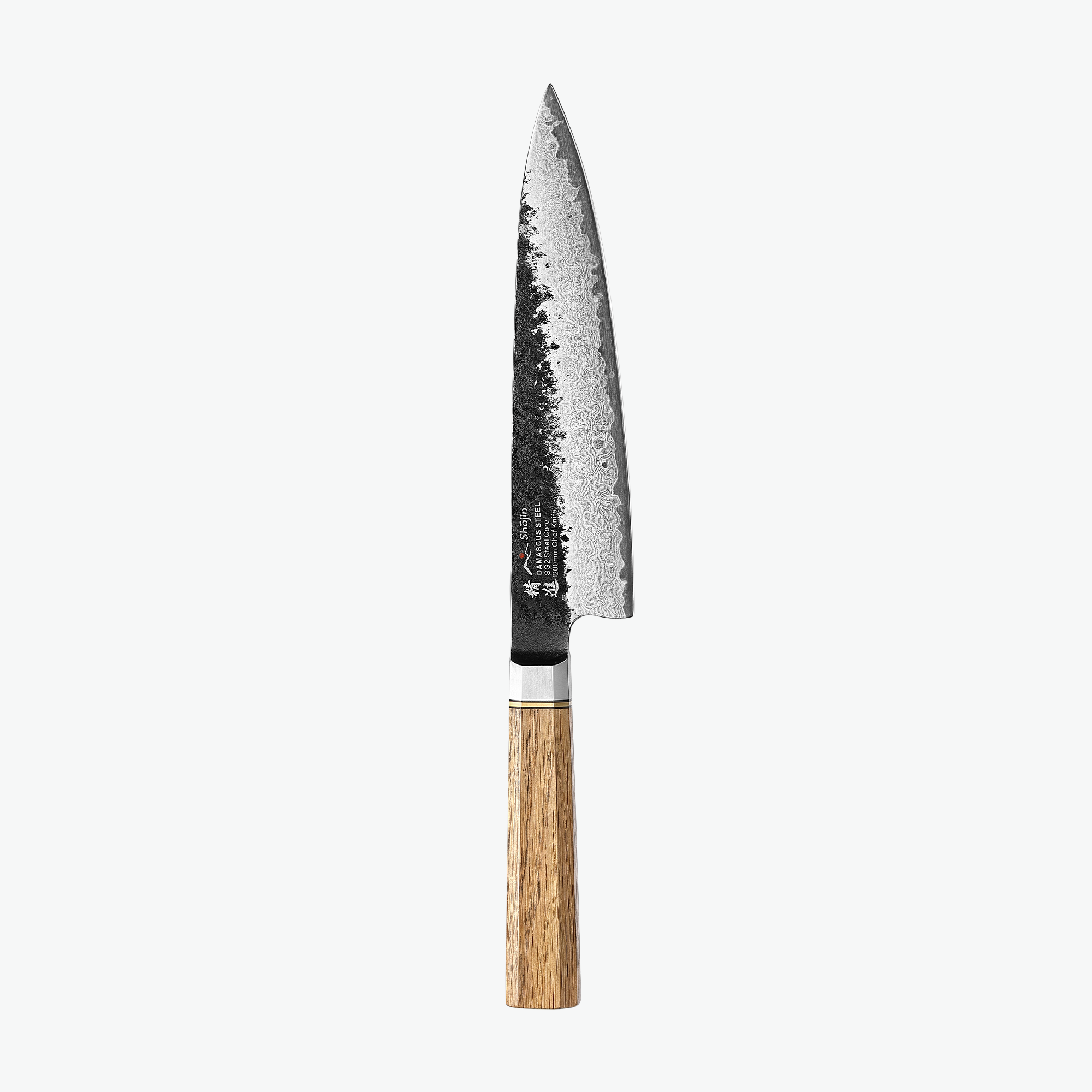
At Viretta, we are deeply inspired by this philosophy. The entire Shojin series is a tribute to Japanese craftsmanship, and at the heart of these knives are carefully selected modern Japanese steel types that represent the best of modern metallurgy. In this comprehensive guide, we will take you on a journey into the fascinating world of Japanese steel – from the legendary samurai steel to the high-tech alloys that define the pinnacle of knife artistry today.
The Legendary Origin: Tamahagane
No discussion of Japanese steel is complete without honoring its mythical origin: Tamahagane. This is the traditional steel used for over a thousand years to forge the legendary Katana swords. The manufacturing process is an ancient art form. In a large, clay-lined furnace, called a "Tatara," layers of iron sand (Satetsu) and charcoal are stacked. For three days and nights, the furnace is continuously fired while a master smith, a Murage, oversees the intense process. The result is a large block of steel, a "Kera," with varying carbon content. Only the finest, carbon-rich pieces with a silvery, glistening surface are selected and called Tamahagane – "jewel steel." This steel is not homogeneous, yet its impurities and pure carbon structure allow a master to fold and forge it, creating a sword of incomparable beauty and strength. Tamahagane is the historical heritage upon which all modern Japanese steel is built.
Modern Japanese Steel Types: Tradition Meets Technology
After World War II, Japan underwent an industrial revolution. Steel producers like Takefu Special Steel and Hitachi began to use modern science to develop new alloys. The goal was to achieve the legendary sharpness of traditional carbon steels, but in a more uniform, reliable, and – above all – rust-resistant form that met the demands of a global market. This led to two main groups of modern Japanese steel.
Modern Stainless Steels – Viretta's Focus
These steels are designed to deliver the famous Japanese sharpness, but with the crucial advantage of high corrosion resistance – ideal for the modern, busy kitchen.
VG-10 (V-Gold 10) – The Benchmark for Balance:
For over 60 years, VG-10 has been the benchmark for premium kitchen knives. With a hardness of 60–62 HRC and a unique chemical composition, including 1.5% cobalt, VG-10 offers an almost otherworldly balance. The cobalt acts like an "adhesive" in the atomic matrix of the steel, creating an incredibly strong grain bond. The result is an extremely hard steel that is also remarkably tough. This versatility makes it the "workhorse of the premium class" – ideal for our Shojin Taru and Shojin Kaku series.
SG2 (Super Gold 2 / R2) – The Technological Cutting Edge:
SG2 is a powder steel and belongs to the technological elite. Its manufacturing process guarantees a 100% homogeneous and pure microstructure, which allows for the use of high alloy concentrations such as vanadium. This gives SG2 a hardness of up to 64 HRC and exceptional edge retention that significantly surpasses traditional steels. An SG2 blade remains razor sharp for an incredibly long time. SG2 is for uncompromising users – the ideal material for our flagship series Shojin Kashi.
AUS-8 & AUS-10 – The Reliable Workhorses:
Manufactured by Aichi Steel, AUS steels are known for their excellent price-performance ratio. AUS-8 was long the standard for good, tough, and very rust-resistant knives. AUS-10 is a significant upgrade, with higher carbon and vanadium content that brings hardness and edge retention to performance levels – almost comparable to VG-10.
Traditional Carbon Steels – For Purists
These steels, produced by Hitachi, are direct descendants of Tamahagane. They are famous for enabling the absolute sharpest blade and being easy to sharpen. Their major disadvantage: they are not rust-resistant and require careful maintenance.
-
Shirogami (White Paper Steel): Very pure steel made from iron and carbon. Available in three grades (#1–#3), with #1 achieving the highest carbon content and almost surgical sharpness, but being very brittle.
-
Aogami (Blue Paper Steel): Shirogami alloyed with tungsten and chromium. Better wear resistance and toughness. Aogami Super additionally contains vanadium for maximum edge retention.
Viretta deliberately chose modern stainless super steels like SG2 and VG-10 to offer first-class sharpness without constant rust concerns.
Philosophical Comparison: German vs. Japanese
-
Japanese Philosophy: Sharpness above all. Specialized blades (Yanagiba, Nakiri) with thin, hard blades (60+ HRC) and acute angles (12–15°) for precise cutting techniques.
-
German Philosophy: Robustness above all. Thicker, tougher blades (55–58 HRC) with a wide angle (~20°) for versatile "workhorses."
Our Shojin series follows the Japanese philosophy, our Classic series the German tradition.
Conclusion: The Art of Choosing the Right Japanese Steel
The world of Japanese steel ranges from ancient traditions to the latest technology. Choosing "Japanese steel" is not just a technical decision, but also a philosophical one: between purist, traditional sharpness and modern, balanced performance.
Viretta curates the best of both worlds: VG-10 for balance, SG2 for uncompromising technological superiority – Japanese sharpness adapted to modern kitchen life.
