

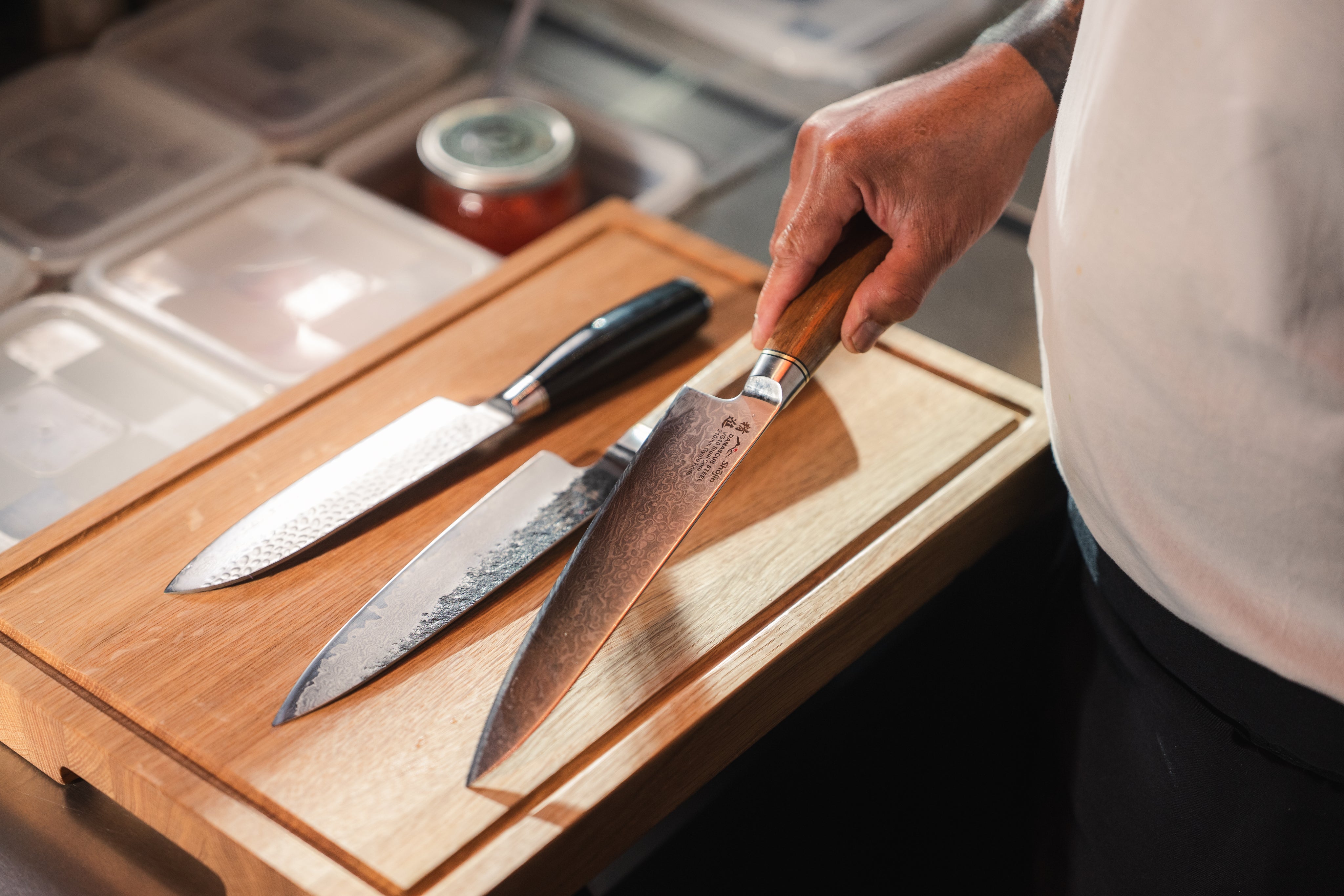
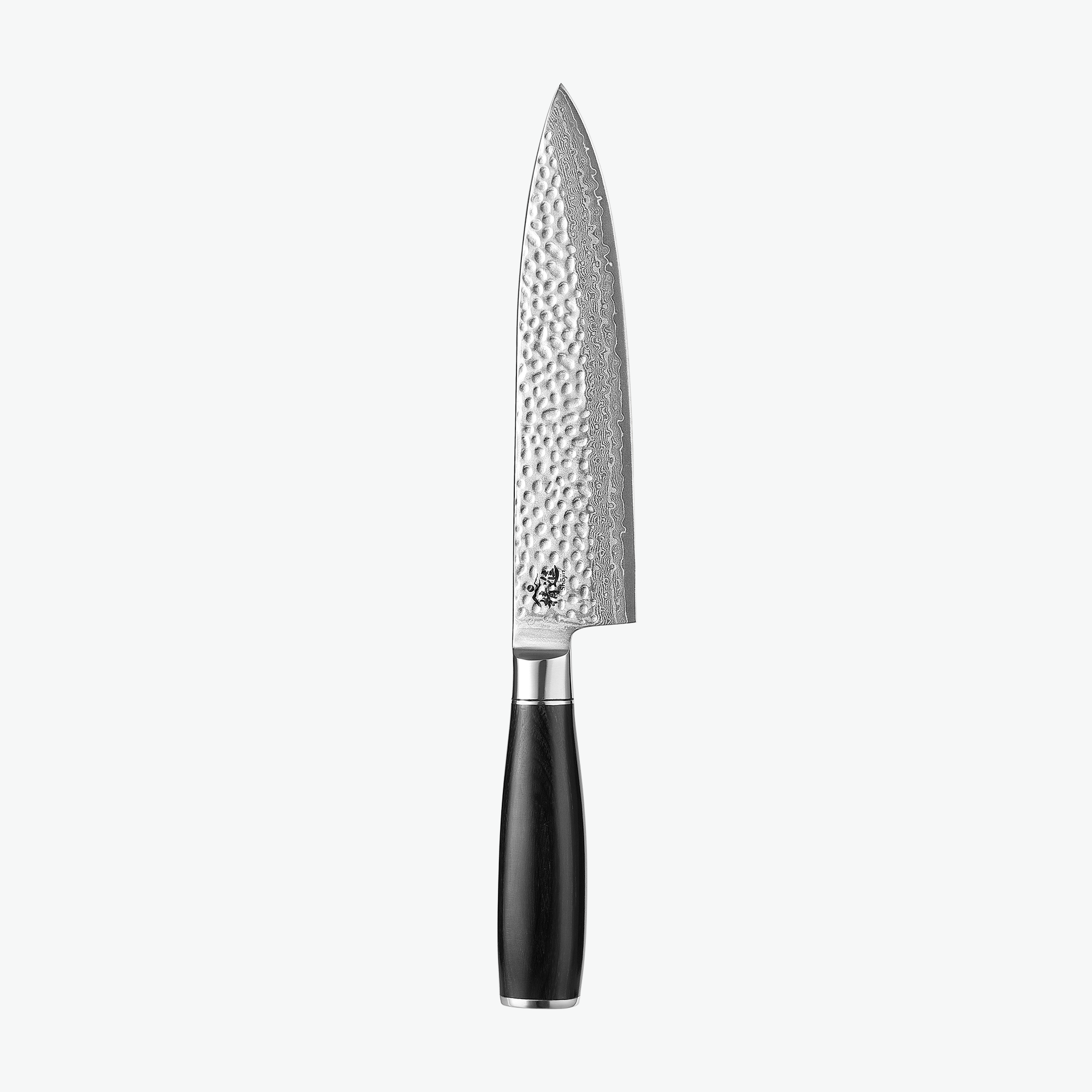
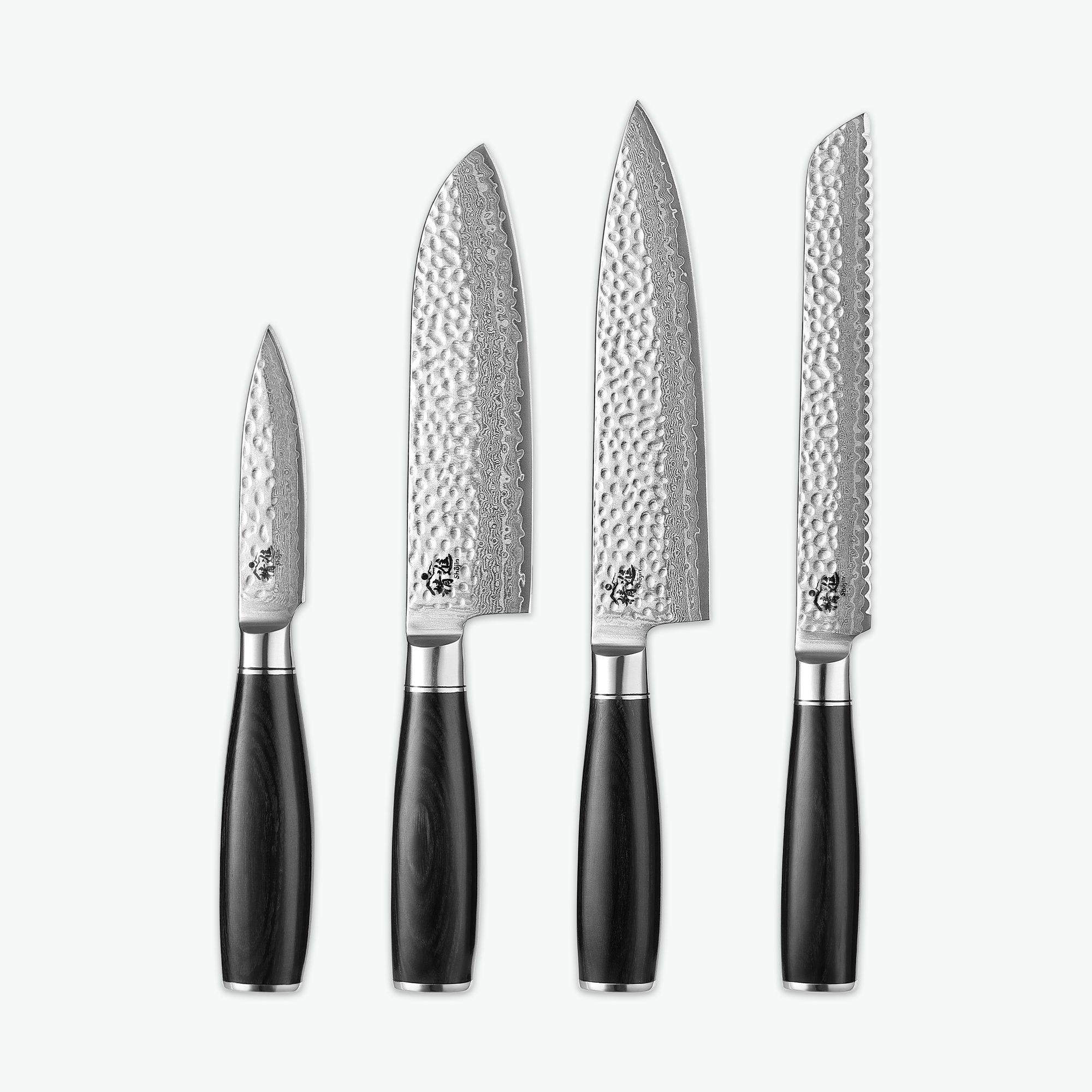
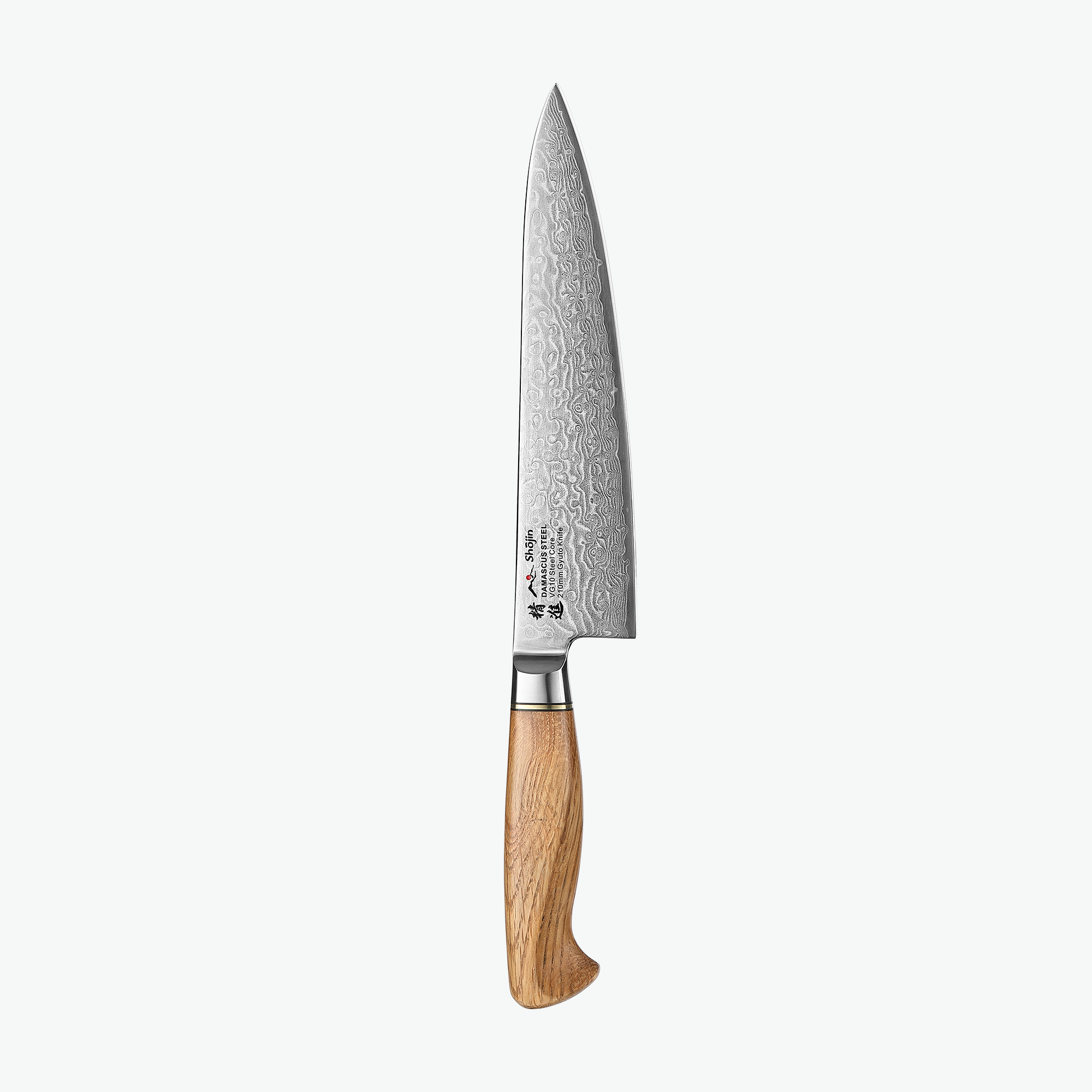
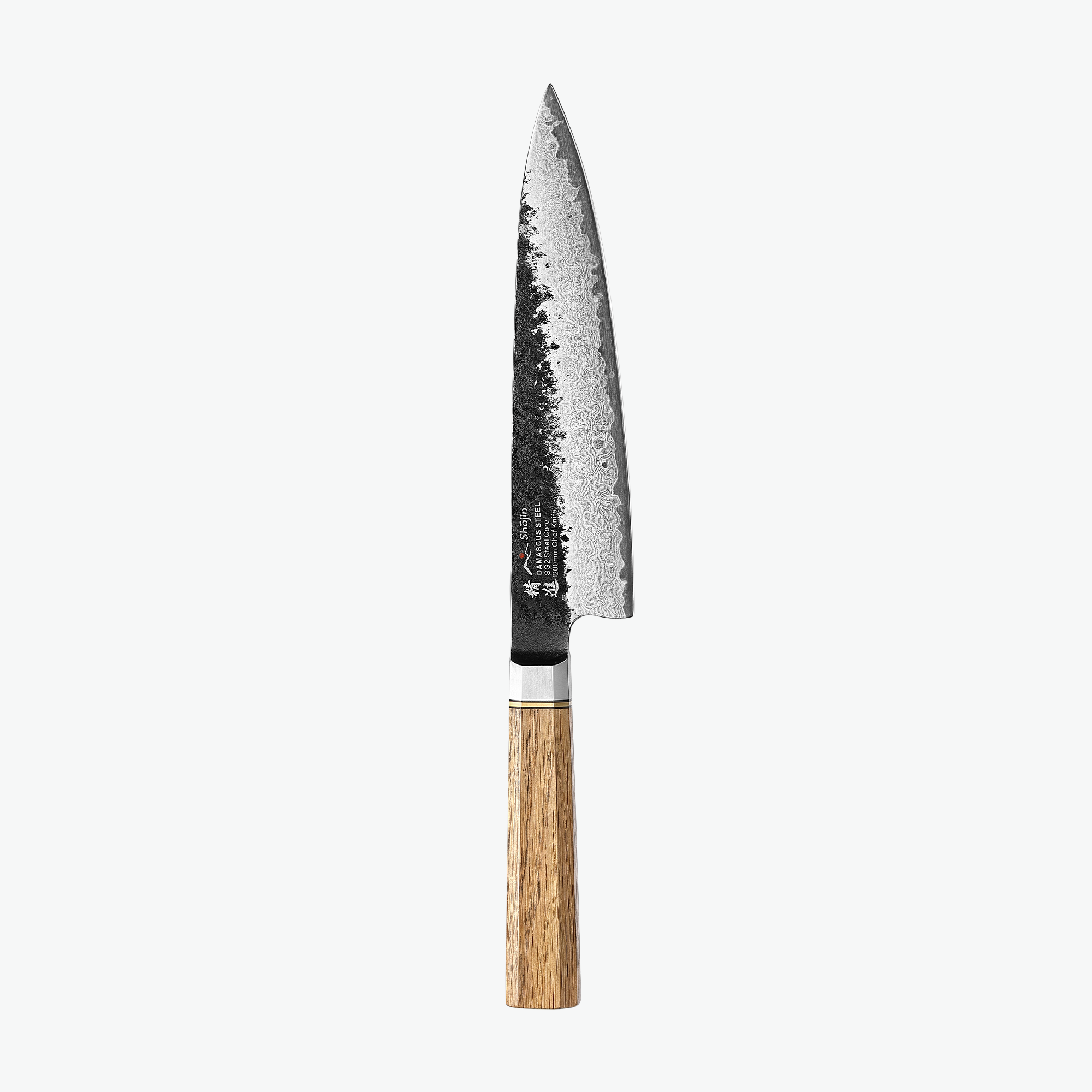

At the pinnacle of the steel hierarchy, where conventional alloys are no longer sufficient, we find a category of materials known as "super steel." This is steel that pushes the boundaries of what is metallurgically possible. And at the very top of this elite class sits SG2, also known as Super Gold 2. It's not just an evolution of traditional steel; it's the result of a technological revolution in material science.
SG2 is a steel designed for one purpose: to deliver uncompromising and sustained cutting performance that surpasses almost everything else on the market. At Viretta, we are driven by the pursuit of the best, and so there was no doubt: SG2 is the only choice as the core of our absolute top-tier series, Shojin Kashi. In this article, we explore the advanced technology that makes SG2 a true master in its class.
Powder Metallurgy: A Technological Leap
To understand the superiority of SG2, one must first understand the process that creates it: powder metallurgy. While traditional steels like VG-10 and 5Cr15MoV begin as a liquid melt cast into ingots, SG2 begins as an ultra-fine powder.
Imagine the liquid steel melt being atomized under pressure, so that each individual grain possesses the perfect chemical balance. This powder is then fused together under extremely high pressure and heat (a process called sintering) until a 100% dense piece of steel is formed.
The result is a steel of almost otherworldly purity and homogeneity. All elements and carbides are perfectly distributed. There are no impurities, no weaknesses – just a perfect, homogeneous microstructure. This is the secret of SG2.
Chemical Composition: The Formula for Extreme Performance
Powder metallurgy allows for alloys with a very high proportion of elements that would be difficult to control in traditional forging. The recipe for SG2 attests to this:
-
Carbon (approx. 1.25% – 1.45%): Extremely high carbon content for enormous hardness.
-
Chromium (approx. 14.0% – 16.0%): Ensures complete rust resistance and durability in demanding kitchen environments.
-
Molybdenum (approx. 2.3% – 3.3%): Contributes to strength, toughness, and the formation of hard carbides.
-
Vanadium (approx. 1.8% – 2.2%): Creates a large number of extremely hard vanadium carbides responsible for phenomenal wear resistance.
Heat Treatment: Taming a Super Steel
The heat treatment of such complex powder steel is a science in itself. The goal is to achieve extreme hardness of about 64 HRC without losing too much toughness. This is a technical masterpiece that defines the quality of a Shojin Kashi blade.
SG2 in Practice: Properties
For the chef with an SG2 blade, this technology translates into:
-
Exceptional Edge Retention: Thanks to the perfectly distributed, tiny, hard carbides, the blade remains extremely sharp for a long time.
-
Extreme Hardness and Fine Cuts: At 64 HRC, the blade maintains a sharp, stable edge for precise, cell-preserving cuts.
-
High Corrosion Resistance: Despite the focus on performance, SG2 is very rust-resistant.
-
Challenging Sharpening: Due to extreme wear resistance, resharpening requires patience and high-quality equipment, but is needed infrequently.
Placement in the Steel Universe: Top of the Hierarchy
-
vs. VG-10: VG-10 is the perfected classic, SG2 is the high-tech specialist. While VG-10 excels as an all-rounder, SG2 is designed for uncompromising edge longevity.
Conclusion: More Than Just Steel – A Technological Masterpiece
SG2 is not just another steel; it is a testament to modern material science. With unparalleled edge retention, it is the ultimate choice for users who accept no compromises.
The use of genuine Japanese SG2 powdered steel in our top-tier Shojin Kashi series demonstrates our commitment to offering the absolute best – a tool that is more than just a blade: a technologically forged masterpiece.


